

Royal Palace of Caserta

Quick Information

RECOMMENDED DURATION

4 hours

NUMBER OF ENTRANCES

2

EXPECTED WAIT TIME - STANDARD

30-60 mins (Peak), 0-30 mins (Off Peak)

EXPECTED WAIT TIME - SKIP THE LINE

0-30 mins (Peak), 0-30 mins (Off Peak)

UNESCO YEAR

1997

Plan your visit

Did you know?

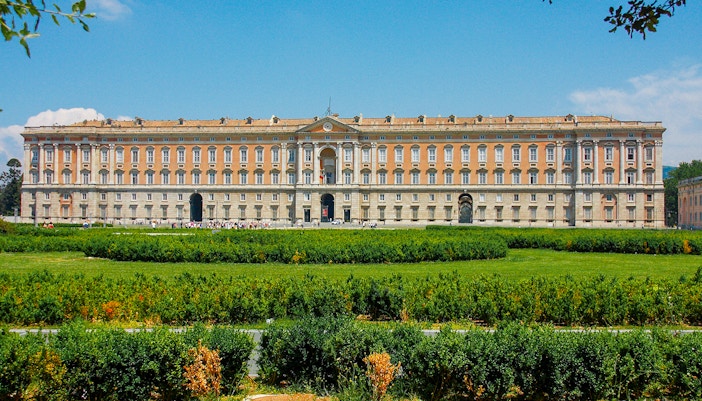
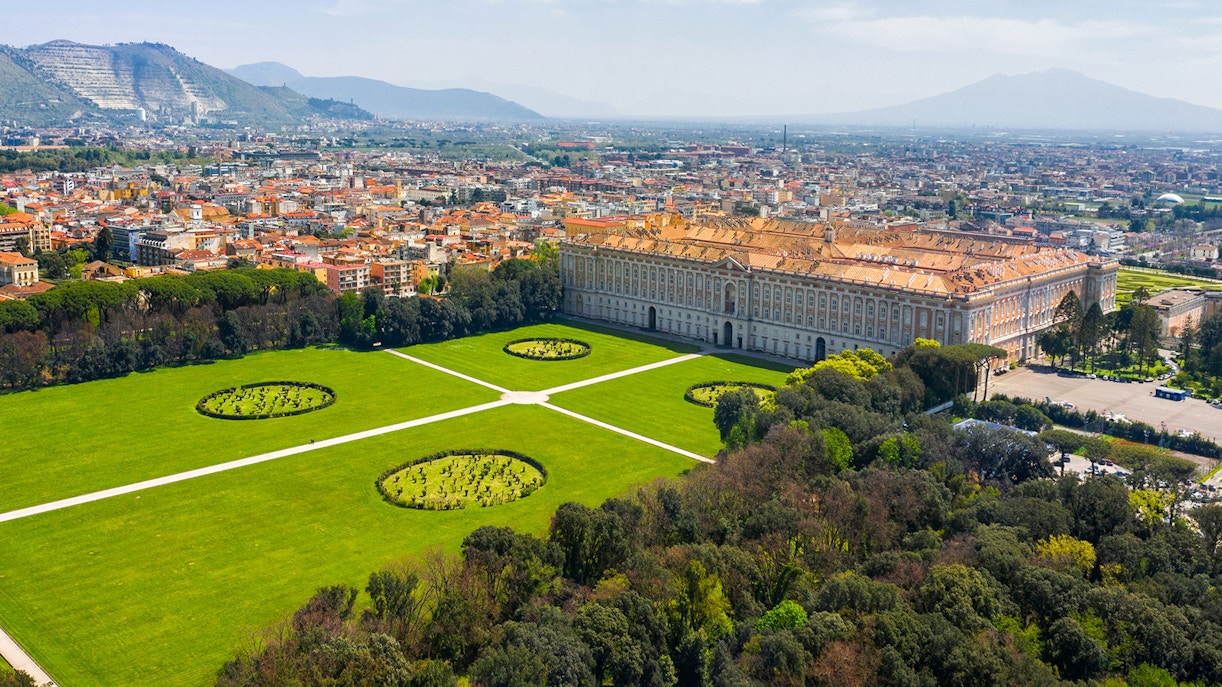
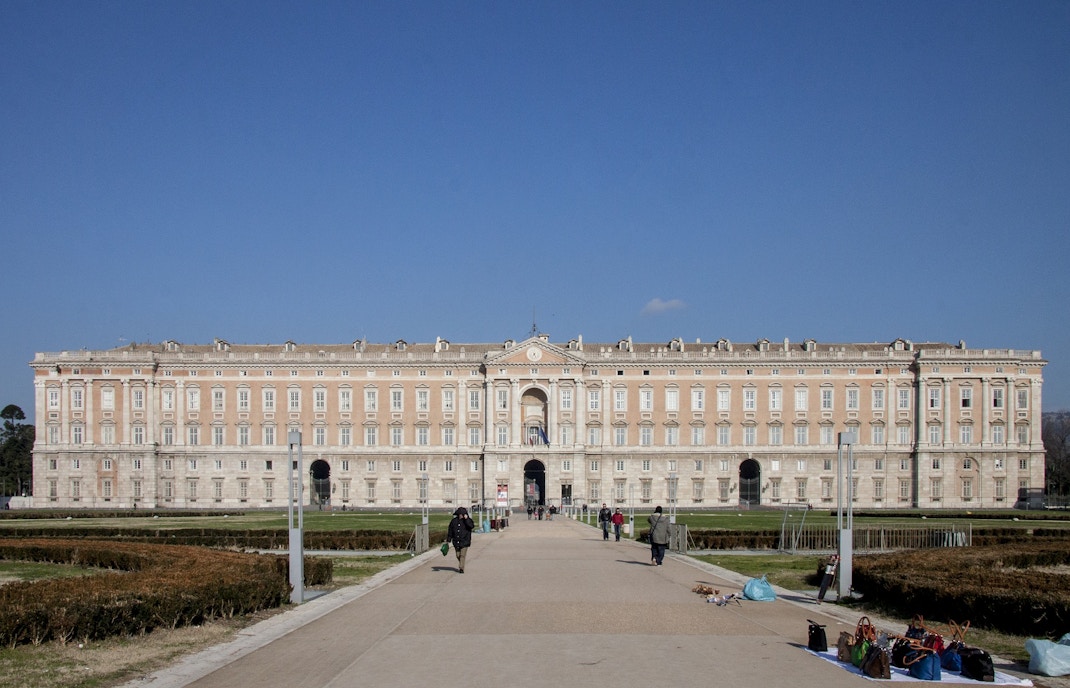
With 5 floors, 1200 rooms, a museum, library and theatre, it is the largest royal residence in the world by volume. The gardens alone extend beyond 11 acres.

The Royal Palace of Caserta was the chosen spot where the Germans signed their unconditional surrender at the end of World War 2. This guaranteed the permanent removal of German and Italian fascist troops.

In 1943, precious canvases within the Palatine Chapel were destroyed by the bombing during WW2. Some standing columns still bear evidence to this fateful episode.

Why visit Royal Palace of Caserta?

  • See the world's largest royal residence: With 1,200 rooms, the Caserta Palace is a grand testament to the Bourbon Dynasty. Wander through expansive halls and private apartments, each echoing stories of the past.
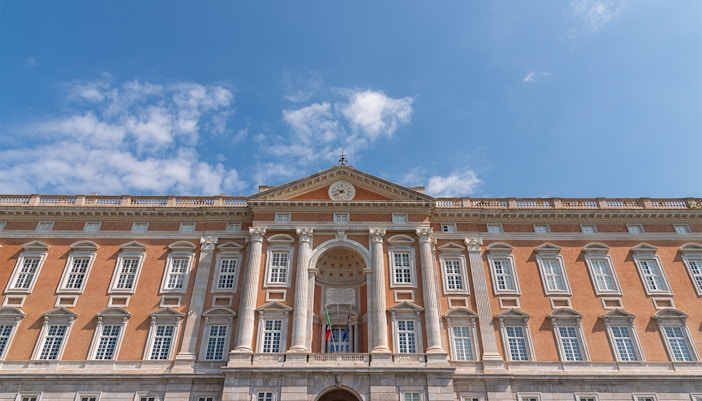
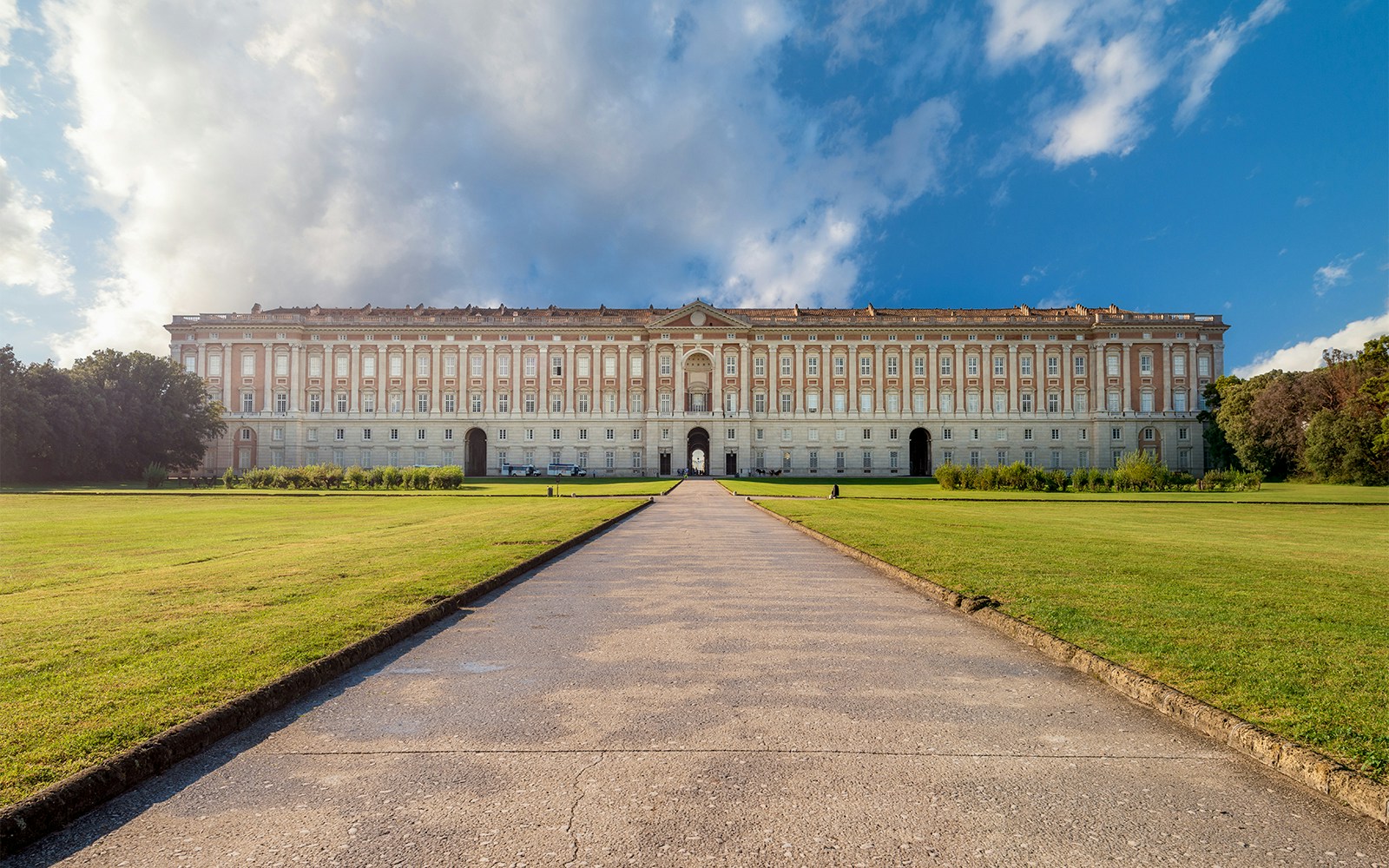
  • Explore an 18th-century Versailles-inspired palace: Designed by Luigi Vanvitelli, the architect behind the iconic Trevi Fountain, the Caserta Palace takes inspiration from the Palace of Versailles. Prepare to be wowed by the palace's grandeur, from its imposing facade to its meticulously-designed interiors.
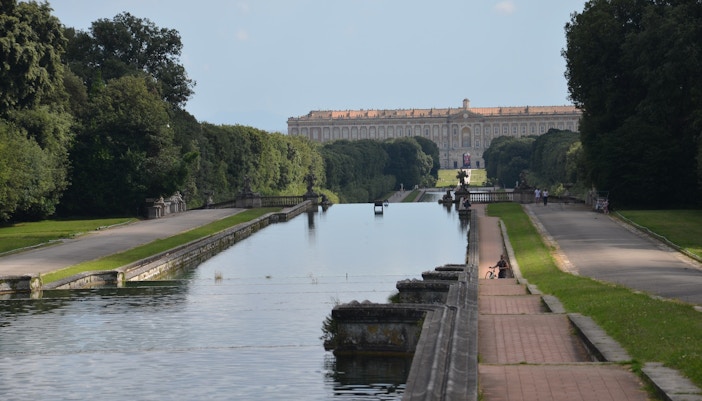
  • Saunter through the landscape masterpiece: Don't just tour a palace – wander Caserta's sprawling English Gardens. Picture meticulously landscaped grounds, cascading fountains, sculptures, and a reflecting pool stretching to the horizon, rivaling Russia's Peterhof Palace.
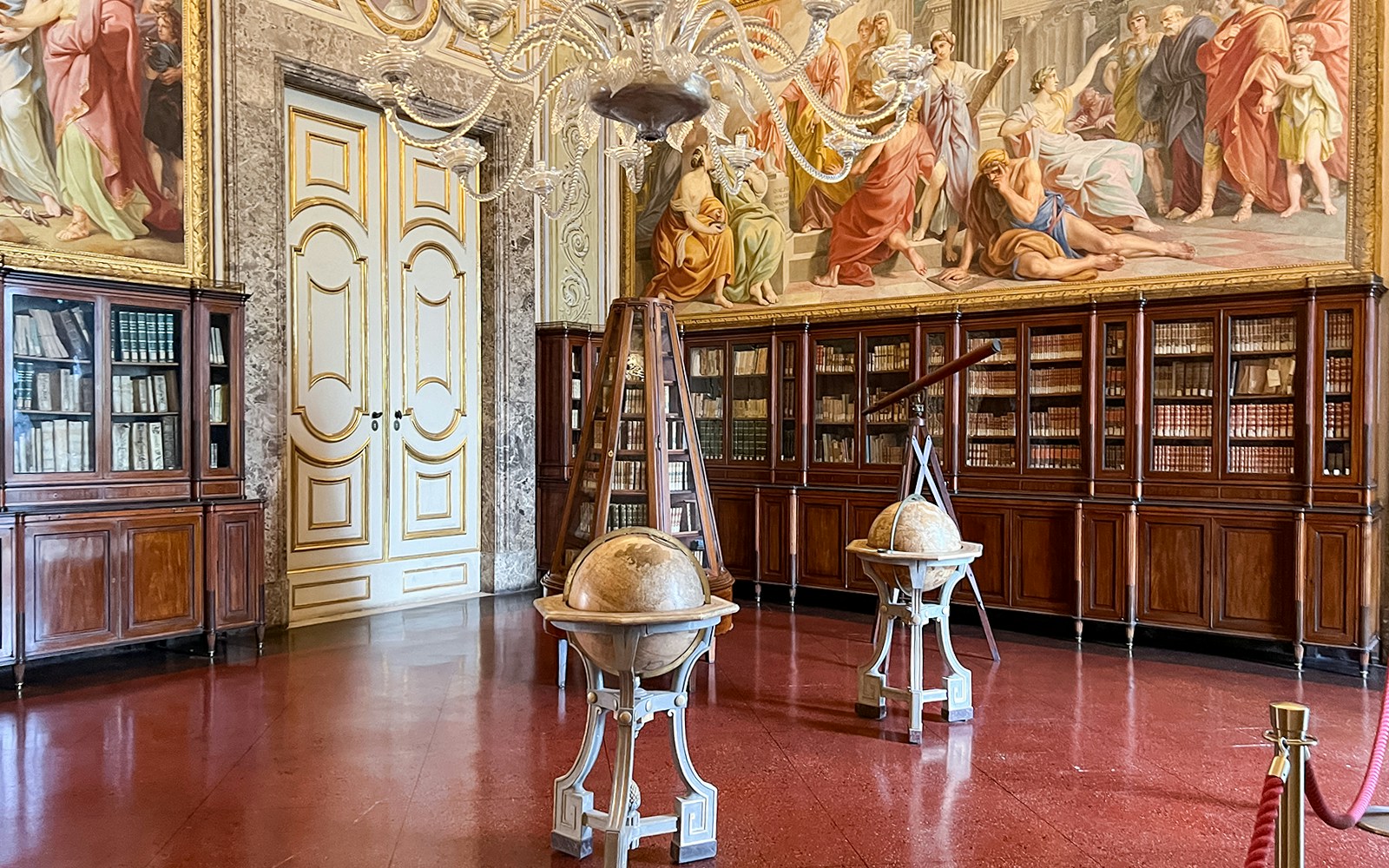
  • Admire the artistic treasures: The palace is a treasure trove of art and history. Explore the Palatine Library's vast collection of books and manuscripts, and marvel at the frescoes, sculptures, and opulent furnishings throughout the palace's many rooms.
  • Escape the crowds: Enjoy a more relaxed, uncrowded experience compared to other European palaces, letting you appreciate the grandeur at your own pace.

Plan your Caserta Palace visit

Technical information of the Royal Palace of Caserta

  • Dimensions: 247 m x 184 m x 36 m (42 m including the roof)
  • Floor area: 61,000 sq. meters, 657,000 sq. ft. 
  • Number of rooms: 1200
  • Number of windows: 1742
  • Number of chimneys: 1026
  • Number of stairs: 56 stairs
  • Garden length: 3.3 km
  • Garden area: 120 hectares or 1,200,000 sq. meters
  • Royal Palace of Caserta complex length (palace square + palace + gardens): 4 km
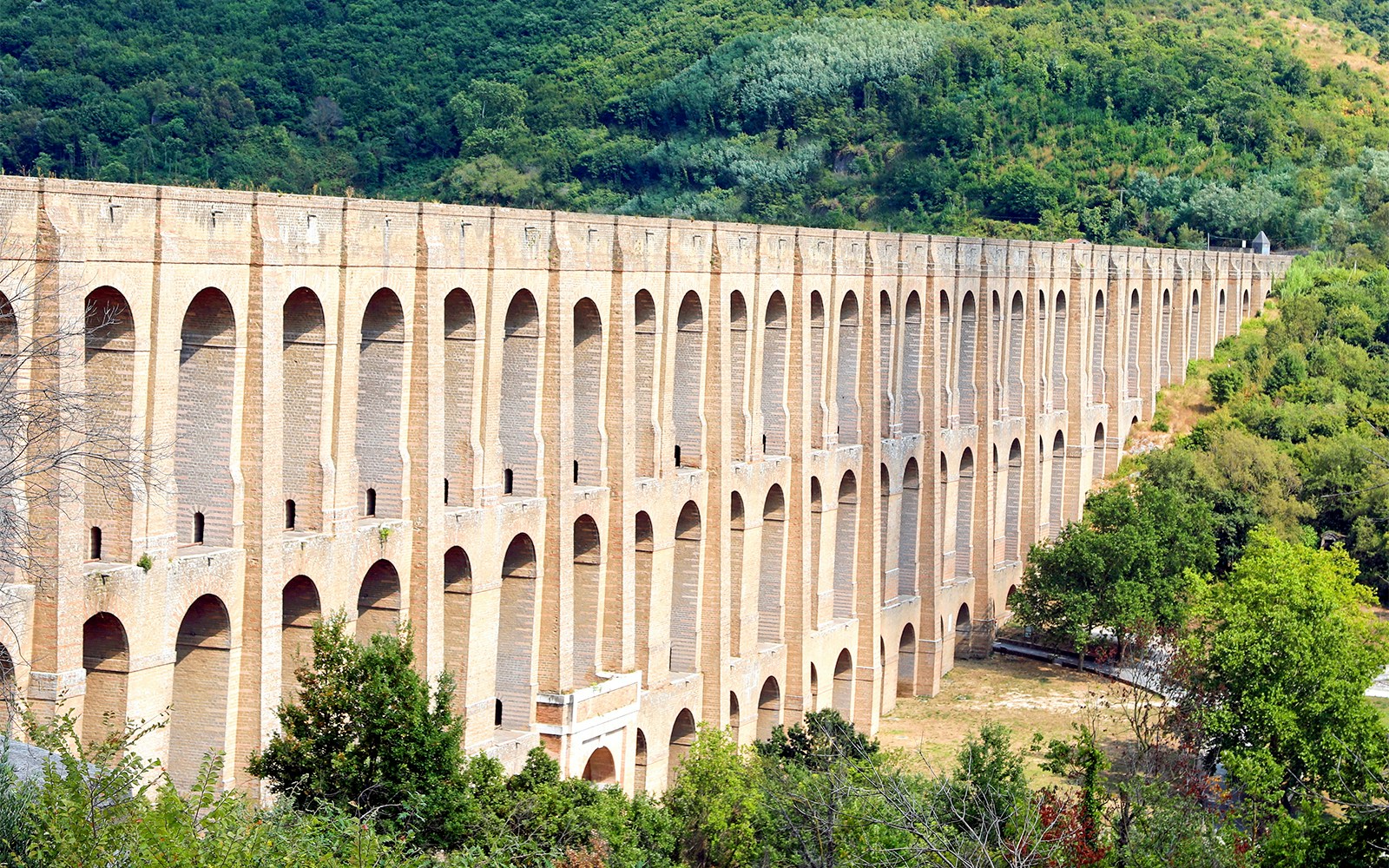
  • Length including the Carolina Aqueduct: approx. 40 km

What to see inside Royal Palace of Caserta?

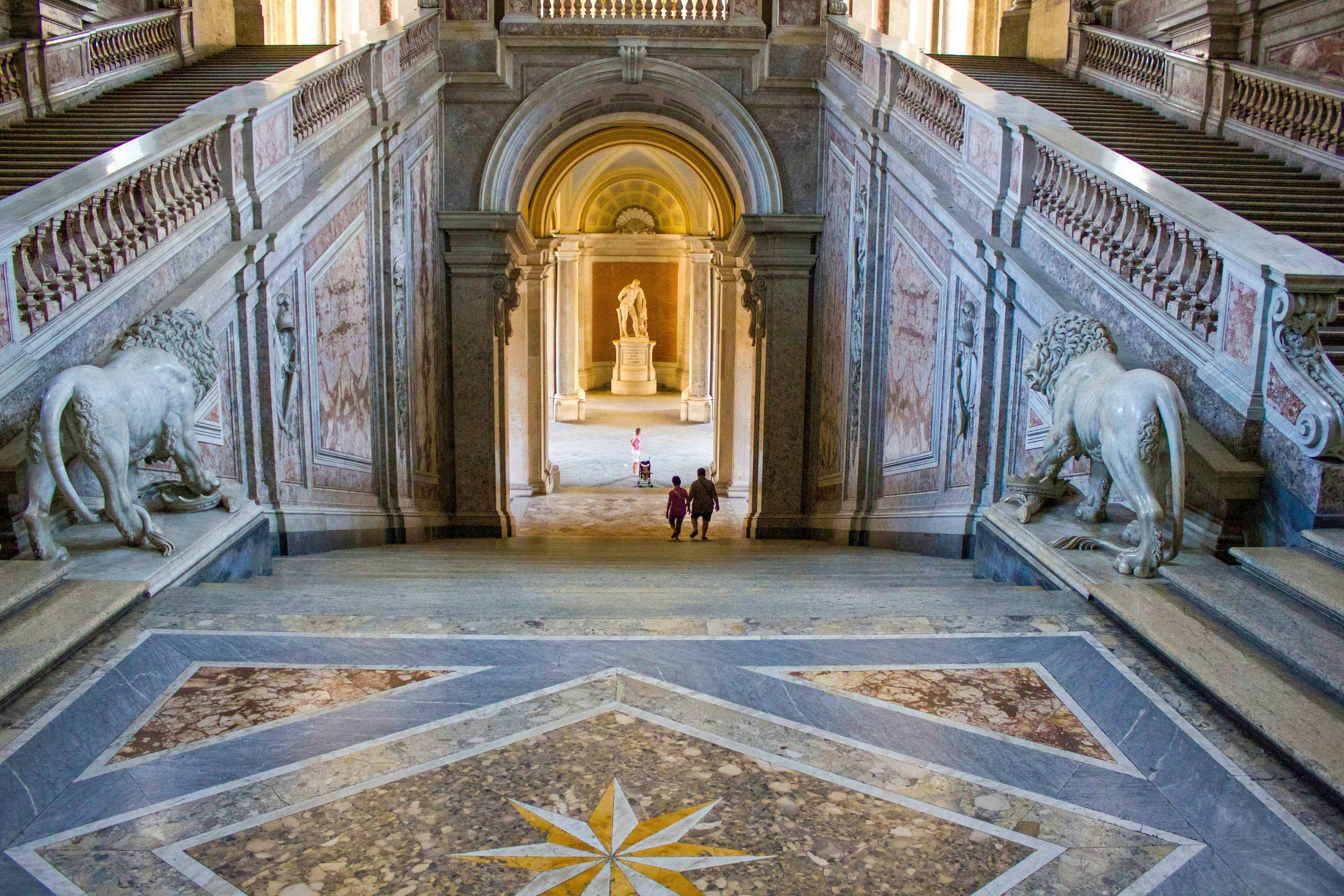
grand staircase royal palace of caserta
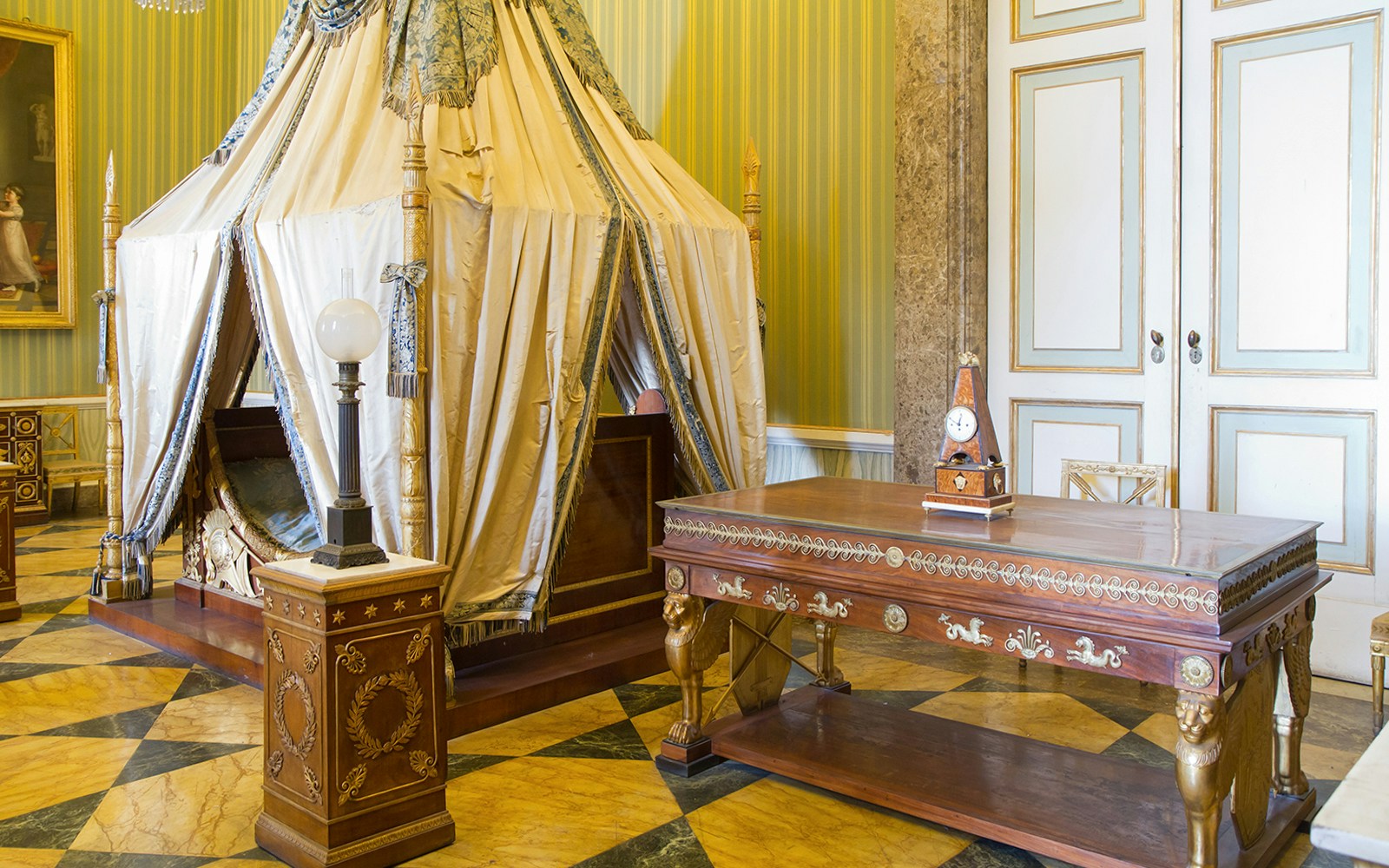
Royal Palace of Caserta Apartments Bedroom
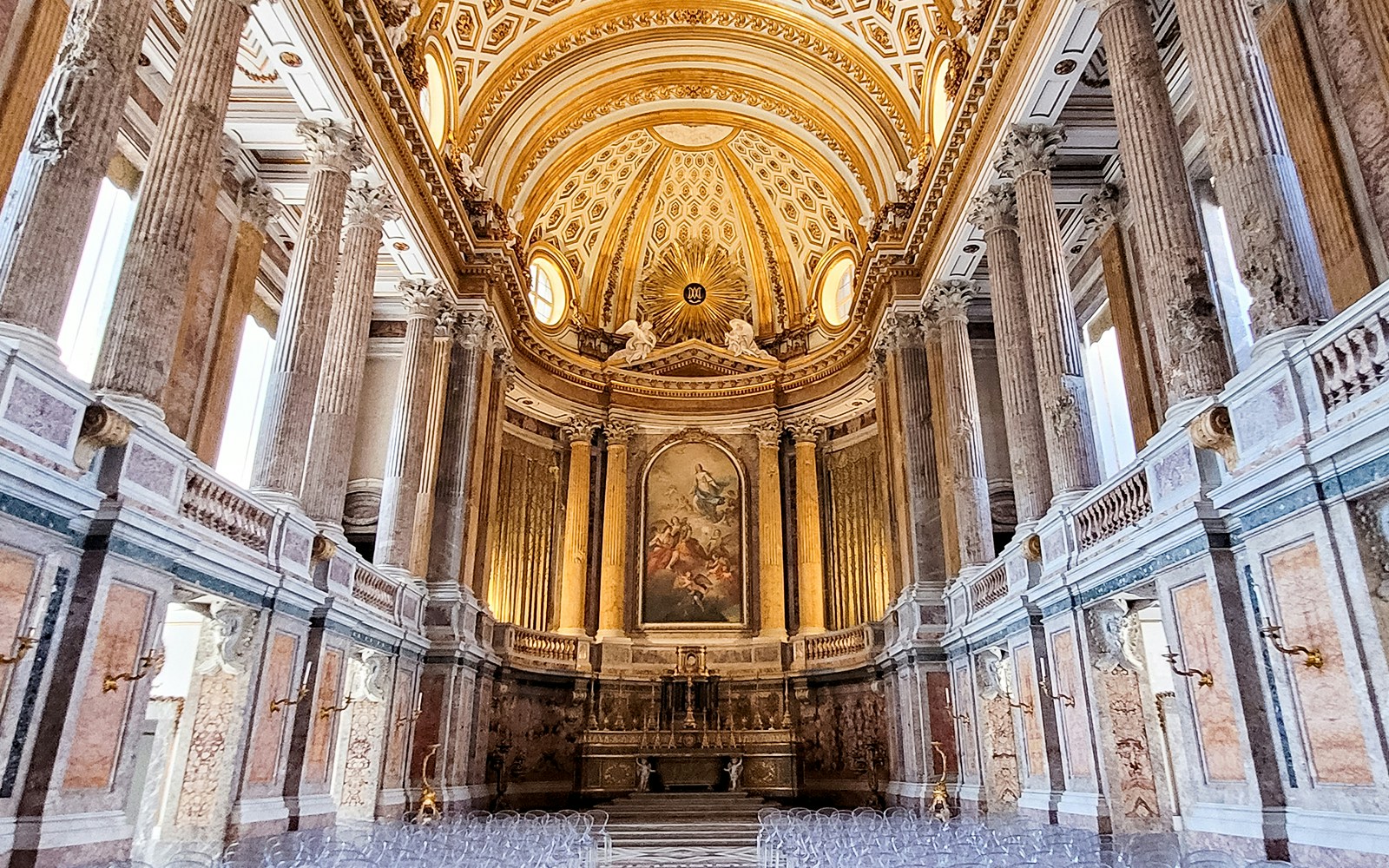
Palatine Chapel interior with ornate ceiling and columns at Royal Palace of Caserta, Italy.
Royal Palace of Caserta library with rows of antique books and ornate wooden shelves.
exhibition at royal palace of caserta
picture gallery
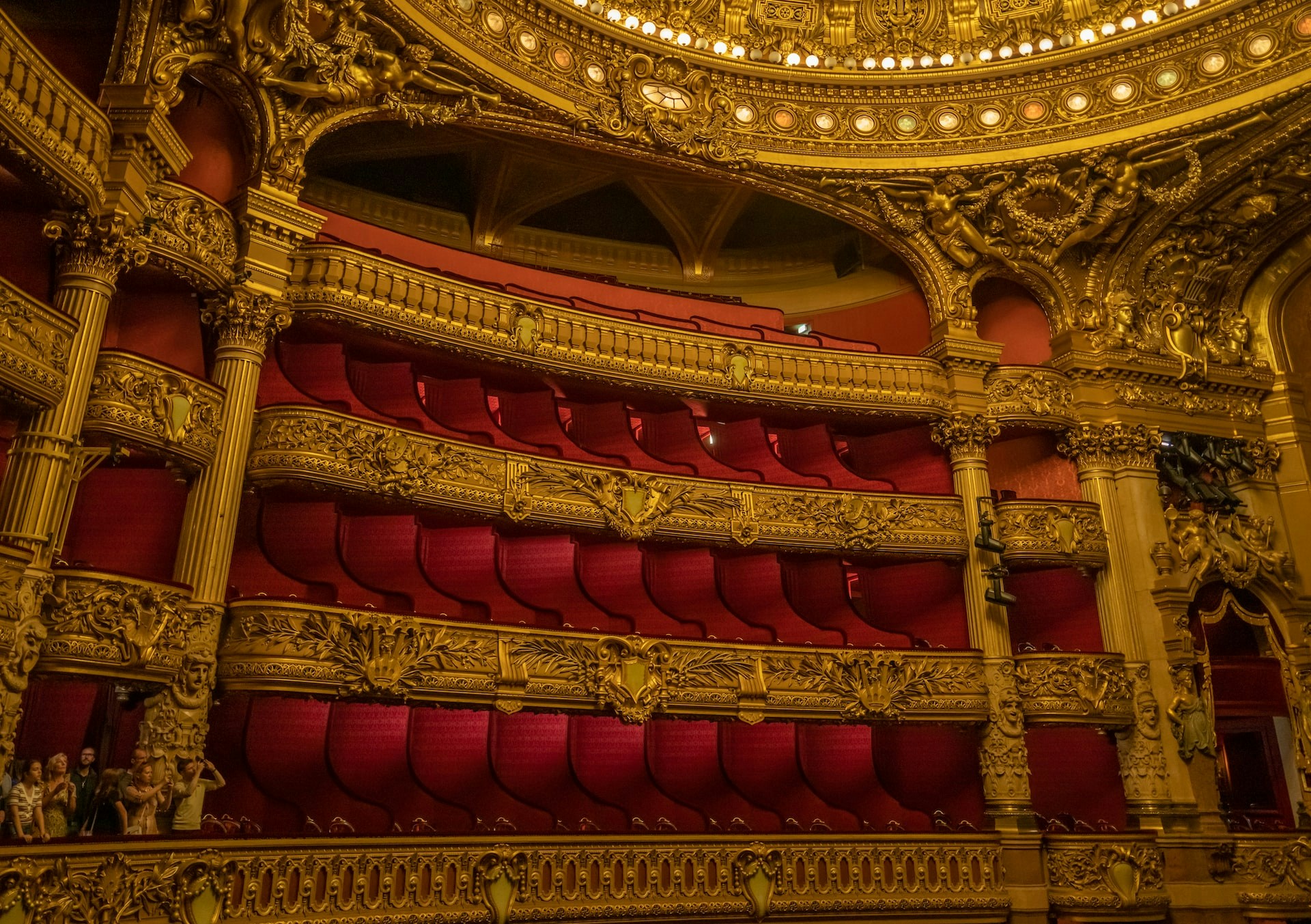
Royal Court Theatre
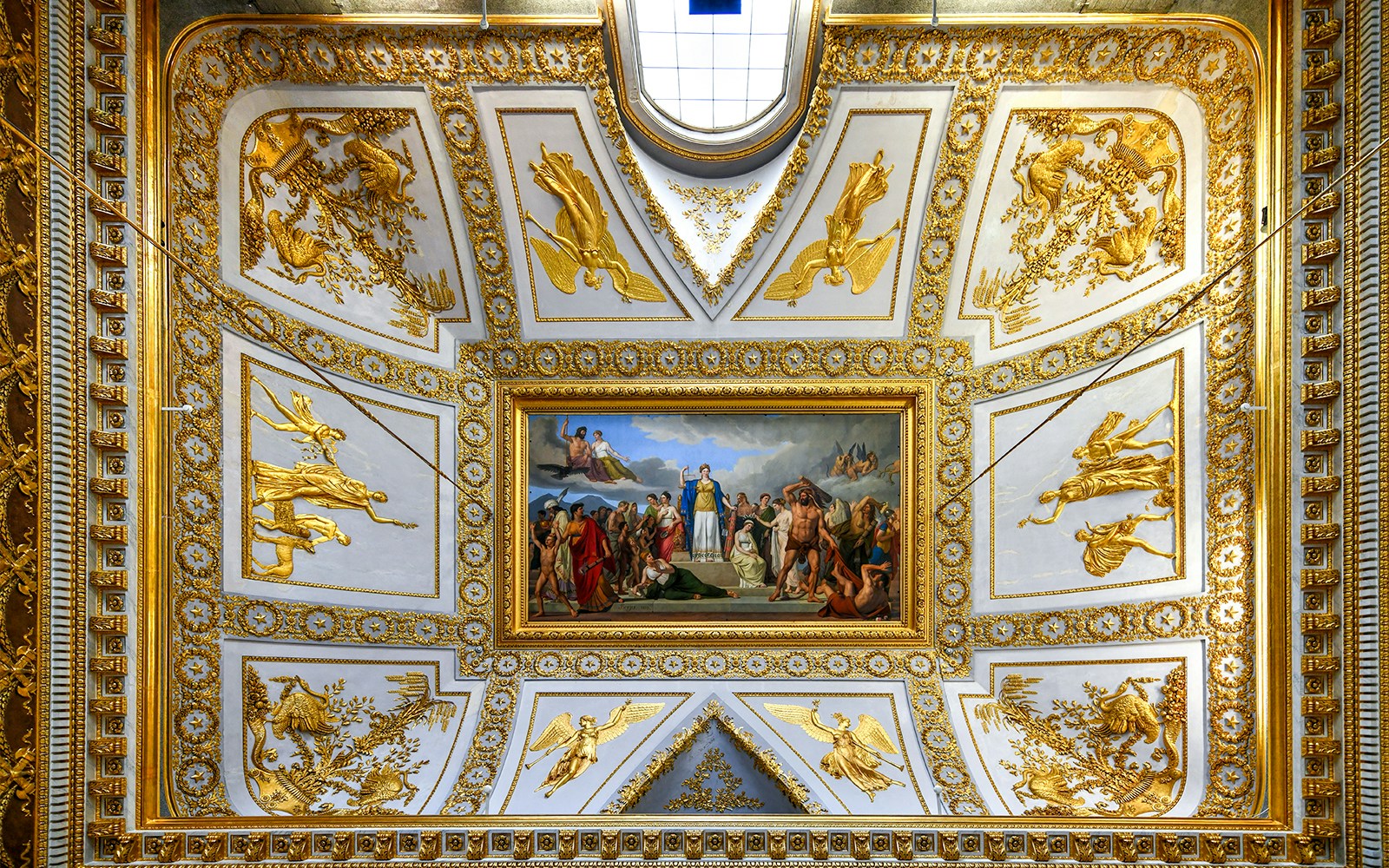
ceiling artwork at royal palace of caserta
The Parterre and the Old Woods
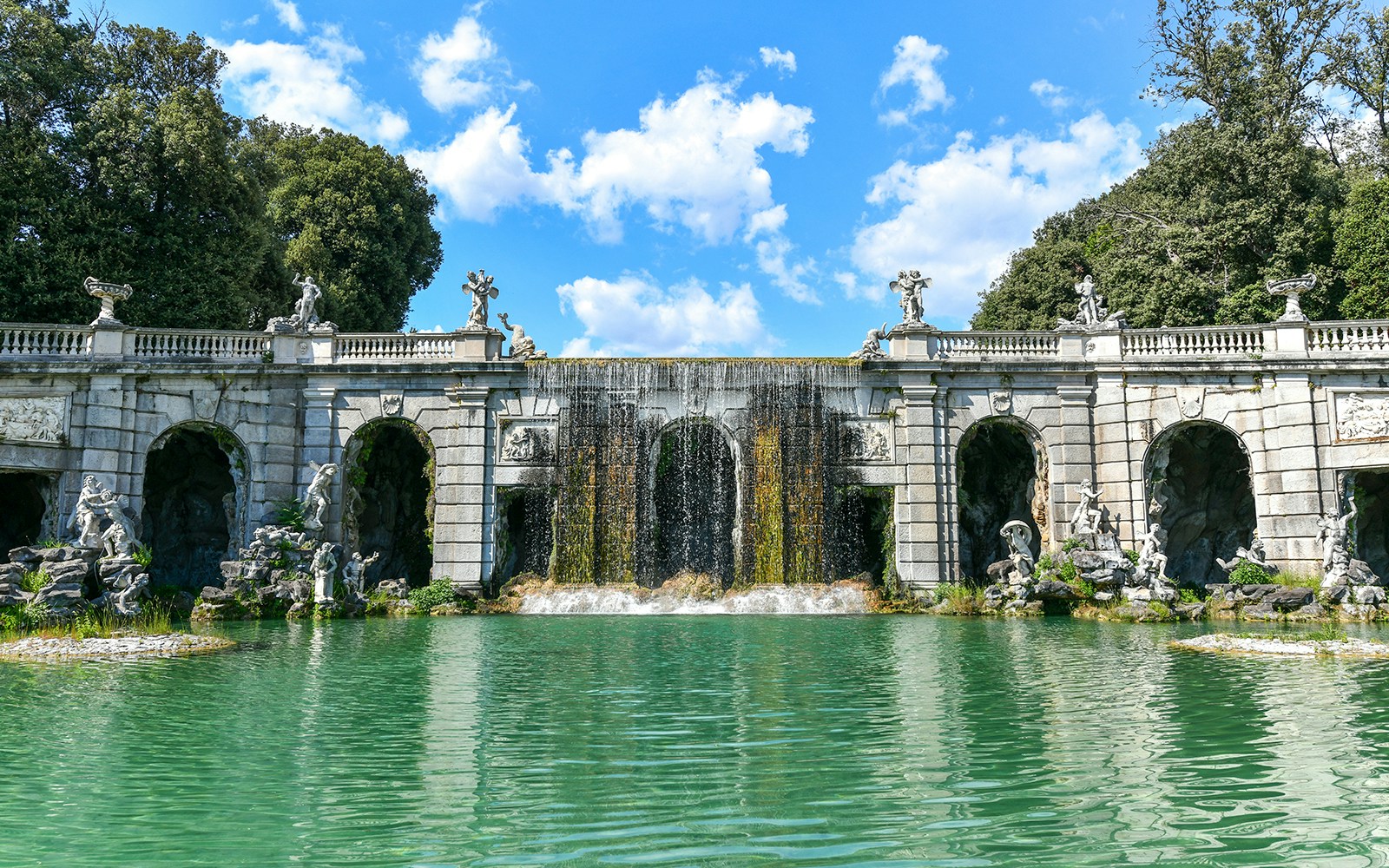
Eolo Fountain at Royal Palace of Caserta with cascading water and ornate sculptures.
The English Garden at royal palace of caserta
Saint Leucio Belvedere
San Silvestro’s WWF Oasis
The Carolina Aqueduct
1/14

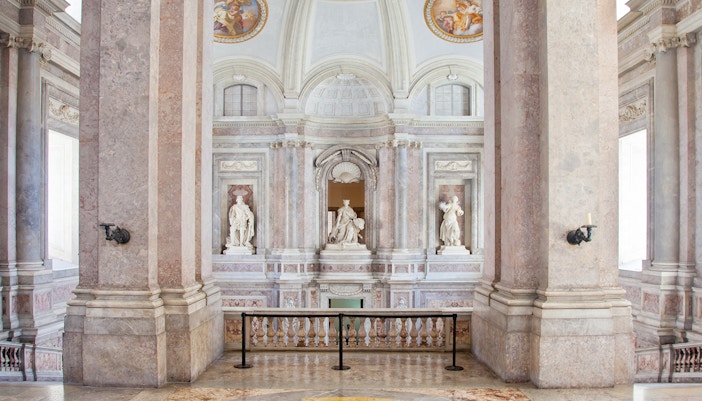
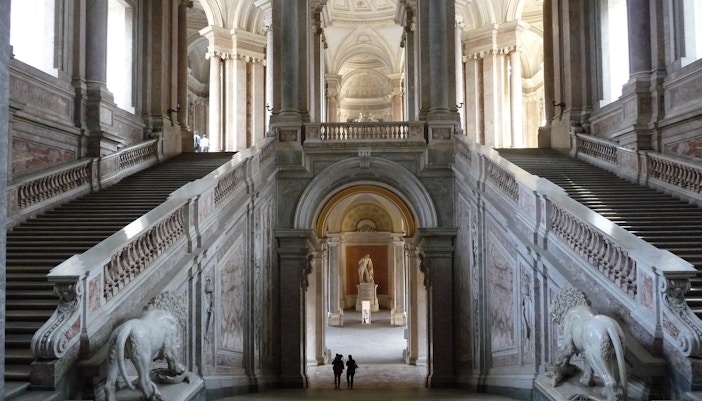
The Grand Staircase

The Grand Staircase at the Royal Palace of Caserta has inspired many subsequent beautiful staircases like The Alexander Palace near St. Petersburg, Russia. This Vanvitelli marvel hides its true majesty, with statues flanking the staircase and a dome that masks the orchestra space, creating an ‘invisible choir’ effect. A teaser to the opulence that awaits inside!

Read more

Royal Apartments

The Royal Floor in the Palace of Caserta, divided into four quarters by Luigi Vanvitelli, features the XIX Century apartments for the King in the southwest and the XVIII Century apartments for the Crown Prince in the southeast. These latter apartments were the only section inhabited by the Royal Family for over 50 years. The remaining two quarters are known as the Old and New Apartments.

Palatine Chapel

Another Luigi Vanvitelli creation, the Palatine Chapel was inspired by the chapel in Versailles but follows a Renaissance, Mannerist, and Baroque design. Located near the Royal Apartments, it was inaugurated at Christmas in 1784.

Palatine Library

Occupying three rooms of the Old Apartments, the Palatine Library is furnished in walnut and mahogany, housing around 14,000 books collected by the Royal Family, including significant works from European and Neapolitan cultures.

Terrae Motus Collection

After the 1980 earthquake, art gallerist Lucio Amelio gathered contemporary artworks for the palace. This collection includes pieces from artists like Michelangelo Pistoletto, Robert Mapplethorpe, and Joseph Beuys.

Picture Gallery

The Royal Palace of Caserta houses a flamboyant collection of 16th to 19th-century paintings across nine rooms, each featuring different subjects like still life, royal portraits, historical scenes, and landscapes.

Royal Court Theatre

Modeled after Naples' Teatro di San Carlo, the Royal Court Theatre features a horseshoe shape and superior acoustics, used by the sovereign for private Neapolitan Theatre shows.

Artworks

The palace boasts collections of furniture, porcelain, drawings, and frescoes, despite being subjected to damages and theft over 200 years. Each piece is extraordinary and rich in symbolism.

The Parterre and the Old Woods

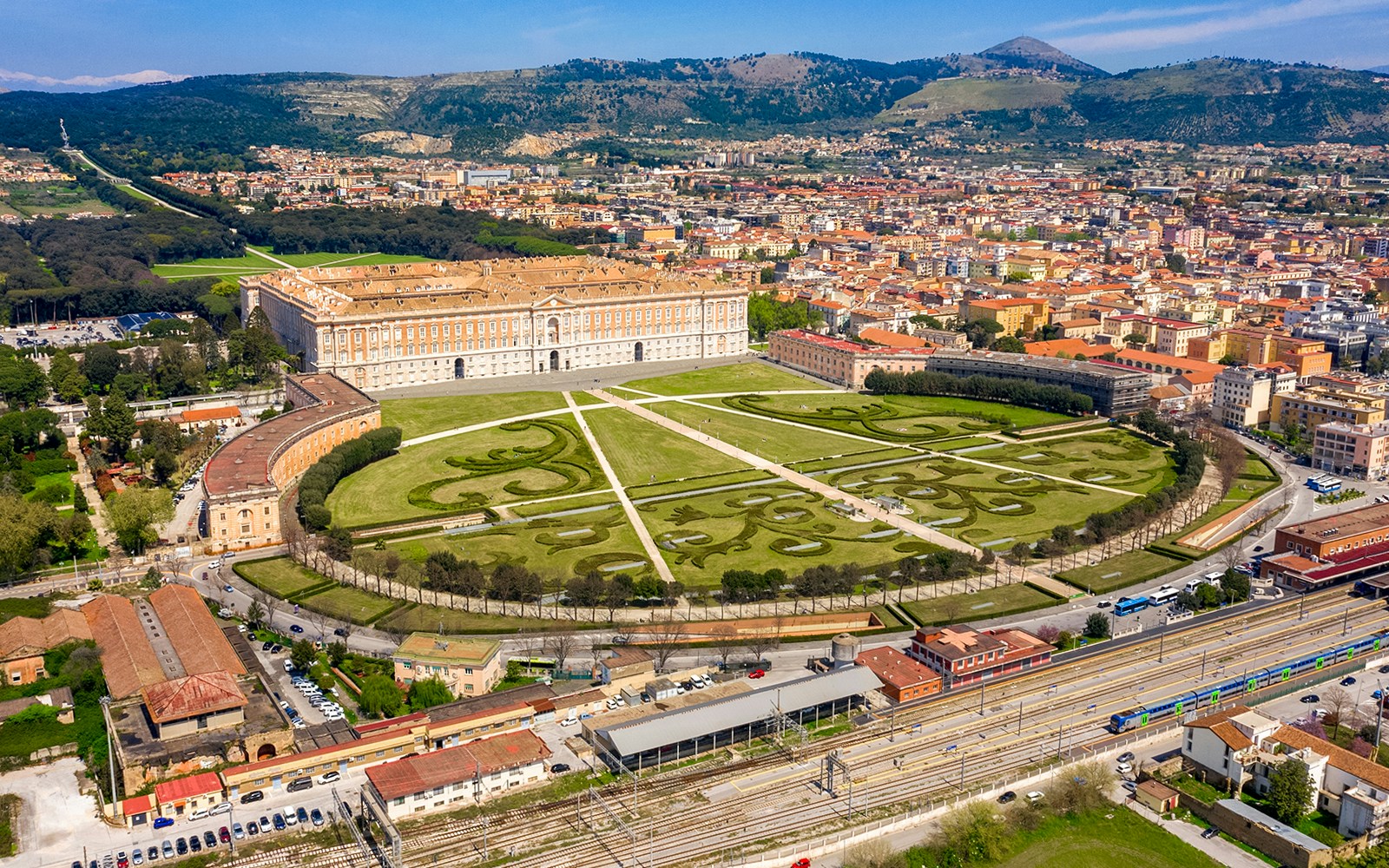
Designed by Vanvitelli, the Parterre is inspired by French Gardens, resembling colorful flower carpets. Adjacent is the Old Woods of Bosco Vecchio, predating the park itself.

The Fountains

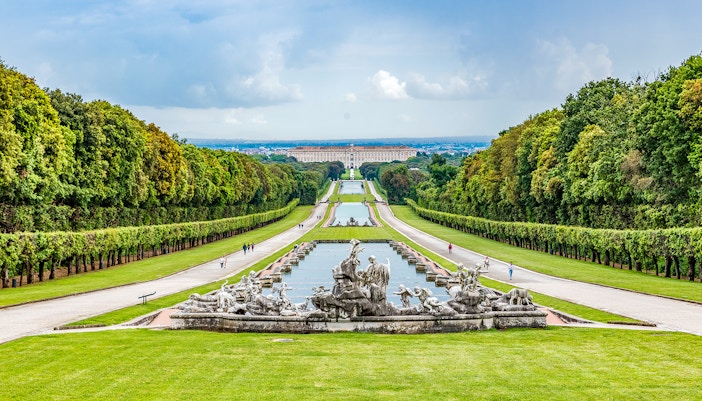
The palace's fountains, fed by the Carolina Aqueduct, showcase Vanvitelli's optical illusions, making the 3 km canal appear much shorter with a blend of small waterfalls and large basins.

The English Garden

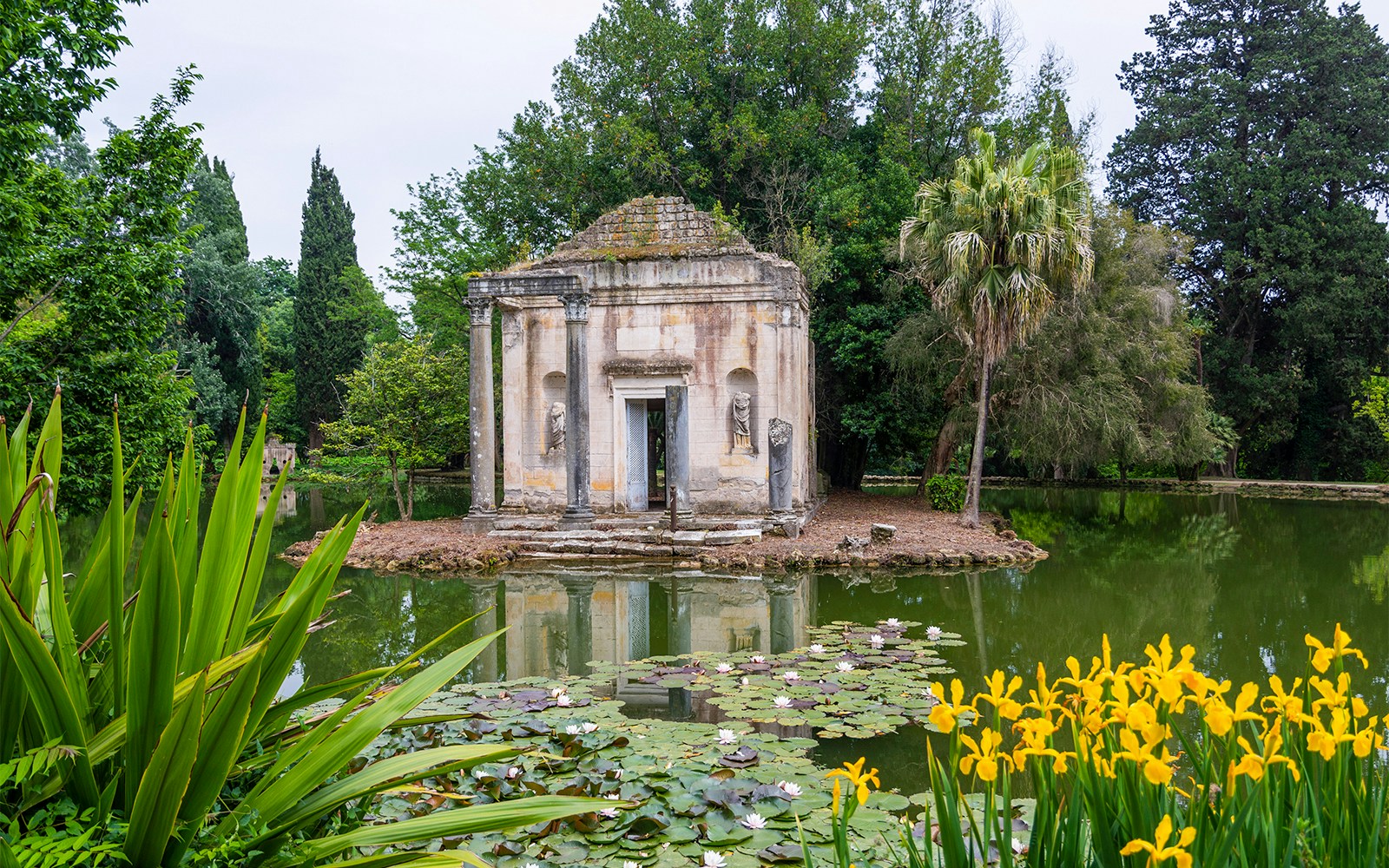
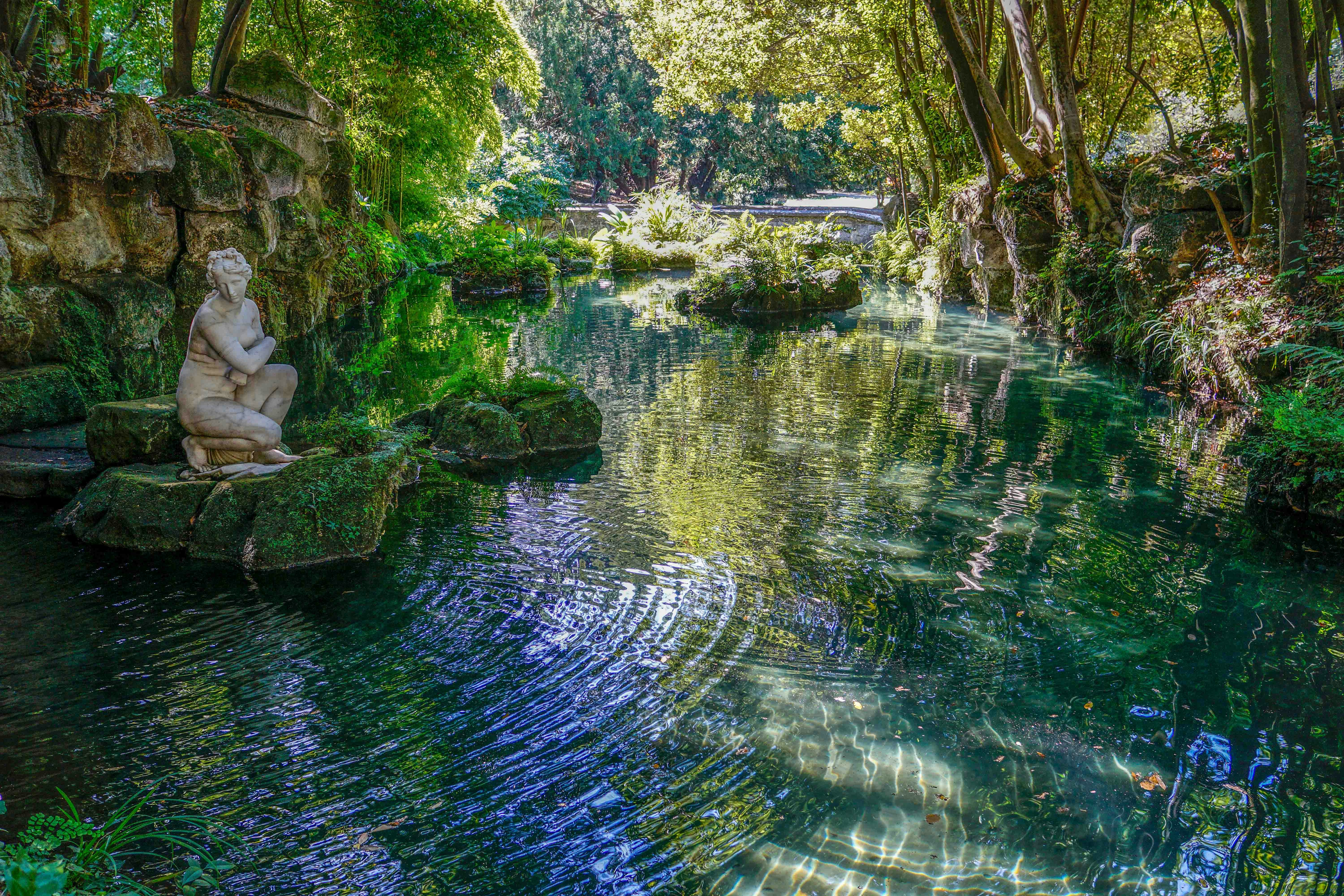
Created by Queen Maria Carolina with English gardener John Andrew Graefer and Carlo Vanvitelli, this garden rivals the Petit Trianon of Versailles.

Read more

Saint Leucio Belvedere

This mansion on Saint Leucio hill now houses a prestigious silk factory, where you can see restored antique looms and learn about silk production.

San Silvestro’s WWF Oasis

Once a royal hunting and agricultural estate, this 100-hectare land now preserves historical fruit and offers nature trails.

The Carolina Aqueduct

A 38 km engineering feat by Luigi Vanvitelli, this aqueduct supplied water to the palace, gardens, fountains, and the city of Caserta, showcasing the Bourbon dynasty's commitment to public welfare.

Design of the Royal Palace of Caserta

Structure

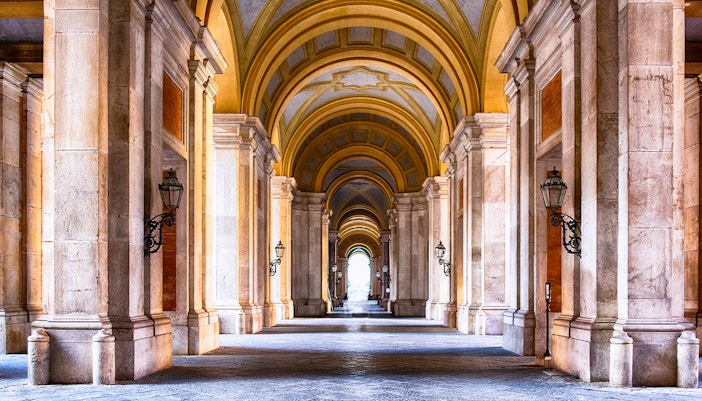
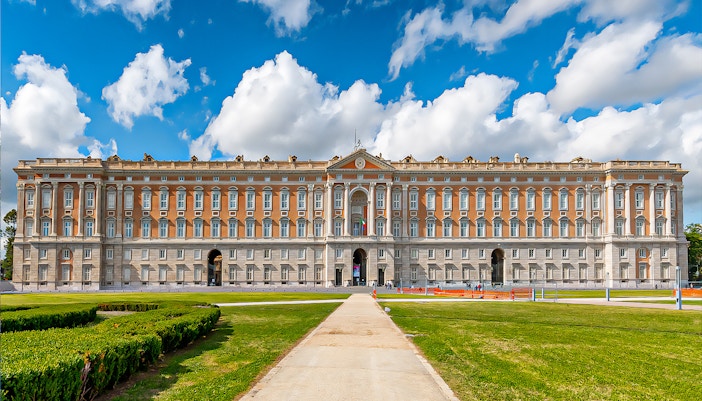
The Royal Palace of Caserta is the largest palace in the world when measured by volume. It was designed by Naples’ most famous architect at the time, Luigi Vanvitelli. The multi-directional spatial illusion can be seen inside the palace and the vast gardens and fountains have been aligned in a telescopic fashion.

Architecture

The architecture of the palace has been referred to as the Swan Song of the Baroque style and it is visible in every detail of the palace. As the Palace of Caserta was constructed during various periods, you will also find certain Neapolitan influences in the architectural design.

Royal Palace of Caserta history explained

Conception & construction

1750s-1770s

In 1752, Charles VII of Naples commissioned Luigi Vanvitelli to design the palace. Inspired by Versailles, it was intended to be a grand royal residence and administrative center. Charles never lived there, as he became King of Spain in 1759, and construction continued under his successor, Ferdinand IV.

Design and purpose

18th Century

Vanvitelli envisioned a palace that housed the king, court, and government, functioning as a virtual city. Vanvitelli planned it as a complete city, with a university, museum, and administrative offices. The palace symbolized Bourbon power, differing from Versailles by being a cohesive project by a single architect.

Development and changes

1750s

To support the palace construction, an entire town (Caserta Vecchia) was relocated to provide workers. A silk factory was even disguised as a pavilion within the vast parklands. Security was paramount, with troop barracks built within the palace walls. Despite being unfinished, Vanvitelli's son, Carlo, continued construction, leaving behind a magnificent testament to Baroque architecture.

Role in world wars

1923-1947

From 1923-1943, the palace housed the Italian Air Force Academy. During WWII, it served as Allied Force Headquarters, where the surrender of German and Italian forces was signed in 1945. The palace also hosted the first Allied war crimes trial.

Modern recognition and media

20th Century - Present

In the late 20th century, the palace was restored and gained fame as a filming location for movies like "Star Wars" and "Mission: Impossible III." Today, it stands as a UNESCO World Heritage site, celebrated for its architectural grandeur and historical significance.

Who owns Royal Palace of Caserta?

royal palace of caserta

The palace was commissioned and built under the direction of King Charles III of Spain, who was the King of Naples and Sicily at the time. After Charles III left for Spain in 1759, the construction and completion of the palace continued under his successors, the Bourbon kings of the Kingdom of the Two Sicilies.

It remained a royal palace until the unification of Italy in 1861. After the fall of the Bourbon monarchy, the palace became state property and is now owned and managed by the Italian government as a major cultural heritage site and museum.

Royal Palace of Caserta on the big screen

Placeholder Image Headout Blimp

Star Wars: Episode I - The Phantom Menace (1998) & Star Wars

Episode II - Attack of the Clones (2002): The palace's opulent interiors were transformed into the Theed City Naboo Palace, the seat of government on Queen Amidala's home planet.

Placeholder Image Headout Blimp

Frequently asked questions about the Royal Palace of Caserta

The Royal Palace of Caserta drew inspiration from the Palace of Versailles in France. Both aimed to house not just the royal family but also government officials, cultural elites, and even a university and museum. However, Caserta wasn't a mere copy. Architect Luigi Vanvitelli added his own touches, creating a masterpiece of Italian Baroque architecture.

More reads

Gardens

Book Now

Timings

Book Now

Location

Book Now